
Winter opens the door to some of the most memorable outdoor experiences, and skiing, snowboarding and snow trekking stand out as accessible entry points for newcomers. These activities combine physical challenge with stunning snowy landscapes, and many destinations and routes are specifically suited to beginners. With proper preparation, lessons where needed, and realistic expectations, first-timers can enjoy safe and rewarding days in the snow.
Getting Started with Skiing
Skiing offers a classic introduction to winter sports. Beginners benefit most from resorts that provide dedicated learning areas, gentle green runs, magic carpets or slow lifts, and well-regarded ski schools. Wide, groomed slopes allow new skiers to practice balance, snowplough turns and basic control without feeling overwhelmed by steeper terrain or faster traffic.
Popular beginner-friendly resorts include those with substantial easy terrain and strong instructional programs. In North America, destinations such as Park City and Deer Valley in Utah, along with certain areas in Colorado and Vermont, are frequently recommended for their accessible runs and supportive learning environments. In Europe, resorts like La Plagne in France and Mayrhofen in Austria offer large nursery zones and free or low-cost learner lifts. Japan provides excellent options near major cities, with resorts featuring soft snow and a high proportion of beginner slopes that are easy to reach by train.
Lessons are strongly advised for the first sessions. Group or private instruction helps newcomers learn proper technique, understand trail ratings and build confidence more quickly than self-teaching. Renting equipment on-site ensures a proper fit, which is essential for comfort and control. Dressing in layers, wearing a helmet and taking regular breaks help manage energy levels and cold conditions.
Learning to Snowboard
Snowboarding has its own learning curve, often involving more time spent on the ground in the early stages as riders develop balance and edge control. Many of the same beginner-friendly resorts that suit skiers also work well for snowboarders, especially those with long, gentle runs and dedicated teaching areas.
Resorts known for strong ride schools and wide beginner terrain, such as Whistler and Park City, are frequently suggested for first-time snowboarders. Softer snow conditions, common in certain Japanese resorts, can make falls more forgiving. Progression typically moves from basic stance and sliding on gentle slopes to controlled turns and eventually linking them down longer green runs.
As with skiing, professional lessons accelerate progress and reduce frustration. Proper boot fit and board setup matter greatly. New riders should start on the easiest terrain, focus on falling safely, and avoid progressing too quickly to steeper slopes. Patience and consistent practice over several days usually yield noticeable improvement.
Snow Trekking for Beginners
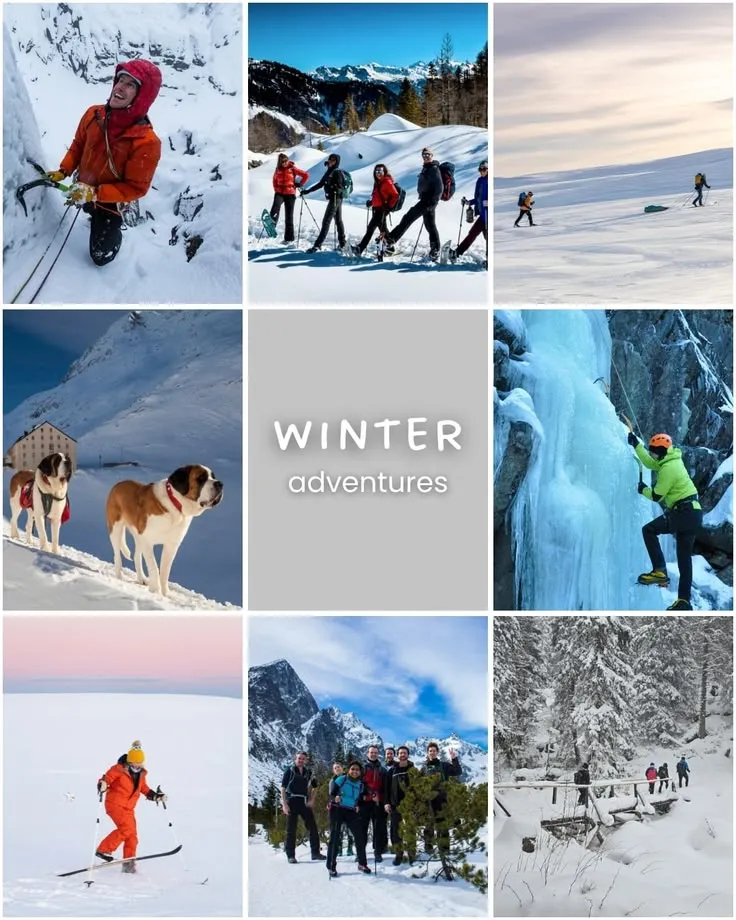
Snow trekking provides a different kind of winter adventure that requires no specialised sliding skills. It involves walking on snow-covered trails, often with the aid of trekking poles and appropriate footwear or light snowshoes. Many routes in the Himalayas are well suited to first-time winter trekkers and offer spectacular scenery without technical climbing.
In India, Kedarkantha in Uttarakhand is widely regarded as one of the best beginner winter treks. The trail leads to a summit around 12,500 feet, typically over four to five days, and is known for reliable snow cover in winter, pine forests and panoramic mountain views at the top. Other accessible options include Brahmatal, which features frozen lake views, Chopta-Chandrashila for a shorter summit experience, and meadow treks such as Dayara Bugyal. These routes are generally graded easy to moderate and are popular with newcomers when undertaken with experienced guides.
Similar beginner-friendly winter treks exist in other mountain regions, including shorter routes in Nepal that remain open and scenic during the colder months. Success depends on good layering for cold temperatures, sturdy waterproof footwear, and gradual acclimatisation where altitude is involved. Guided groups provide safety support, route knowledge and logistical help with camping or lodging.
Practical Tips for First-Timers
Preparation makes a significant difference across all three activities. Check weather and snow conditions in advance. Book lessons or guided treks early during peak season. Invest in or rent quality base layers, insulated outerwear, waterproof gloves, and eye protection. For skiing and snowboarding, understand the trail rating system—green runs are the place to start. For trekking, follow the guidance of local operators regarding daily distances and rest.
Physical readiness helps. Building general fitness and practising balance activities before the trip can improve comfort on the slopes or trail. Most importantly, adopt a patient mindset. Progress comes through repetition, and rest days or shorter sessions prevent exhaustion.
Choosing the Right Experience
The best activity depends on personal preference and logistics. Skiing and snowboarding deliver the thrill of sliding downhill and suit those who enjoy skill-based sports and resort facilities. Snow trekking appeals to people who prefer walking, immersion in quiet landscapes and multi-day journeys with fewer technical demands.
Many beginners combine elements—spending a few days learning to ski or snowboard at a resort and then adding a short snow trek, or vice versa. Regardless of the choice, winter adventure offers fresh air, physical engagement and memorable scenery. With realistic goals, proper guidance and respect for mountain conditions, first-timers can discover a lasting enjoyment of snow-based outdoor activities.
Read more – wishdua.com